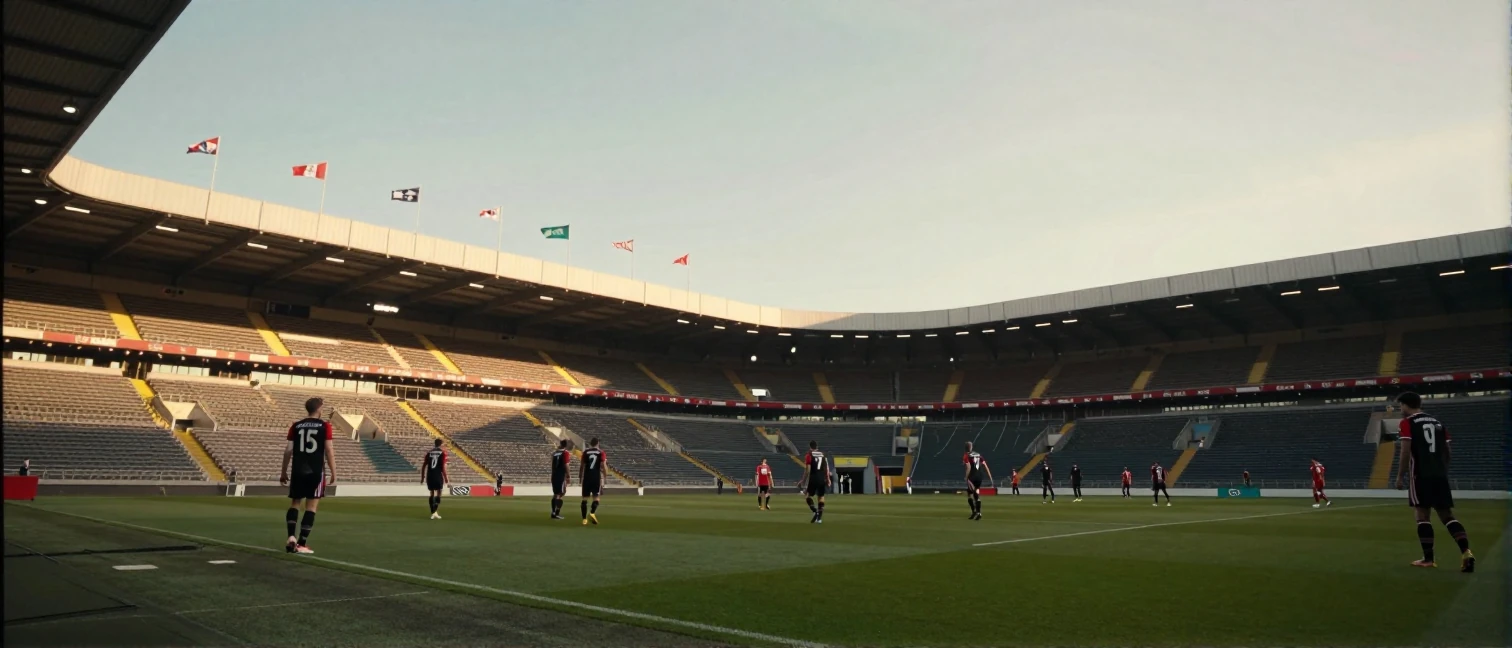
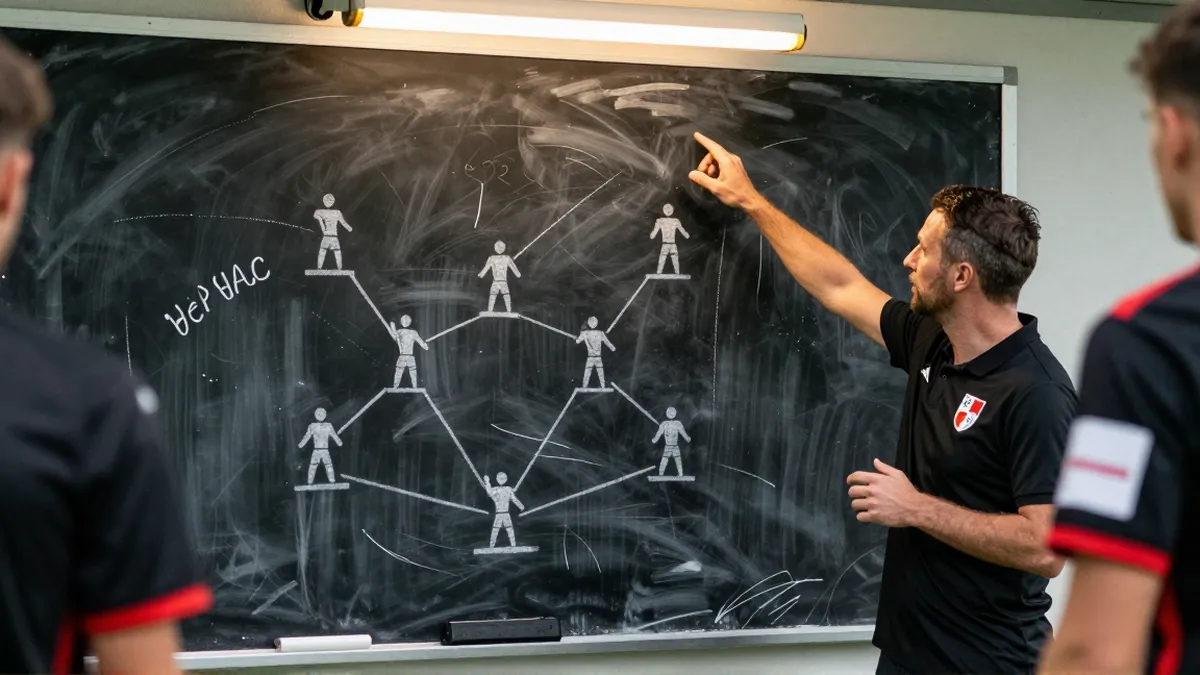
Eintracht Frankfurt U21 coach Marco Glöckner faces a decisive task: the upcoming match against a rival must be won to cement the confidence of the young talents. The coach must not only secure the result but also implement tactical instructions that ease the jump to the senior squad.
Glöckner needs to motivate his side against a strong regional U21 team that has posted an impressive recent run. The game, scheduled for July 12, 2026, is seen as a test of the youngsters' readiness. His job is to set up a compact press and vary attacking options so the young forwards find more space.
A win would boost player confidence and increase visibility for the first team. Glöckner has already promoted talents like Luca Kießling and Milan Šeparović to Eintracht Frankfurt's training group. A good result could accelerate their promotion, as the senior side currently sits 8th in the Bundesliga with 44 points (11W‑11D‑12L).
The first team has collected only one point in its last five matches (DDLLL, most recent a 2‑2 draw with VfB Stuttgart on May 16, 2026). Despite scoring 61 goals and conceding 65 (-4 goal difference), the club trails Bayern München by 45 points. This pressure heightens the need for fresh talent from the academy.
After the U21 game, the senior side faces SC Paderborn 07 away on November 7, 2026. A positive signal from the youth department could inspire Glöckner and the coaching staff to apply similar principles in the first team. Fans hope the youngsters bring the momentum needed to close the gap to the league leaders.
Another key point is long‑term planning: Glöckner aims to embed a system that aligns seamlessly with Eintracht Frankfurt's philosophy. This means looking beyond the immediate match and guiding player development for upcoming seasons.