 Eintracht Frankfurt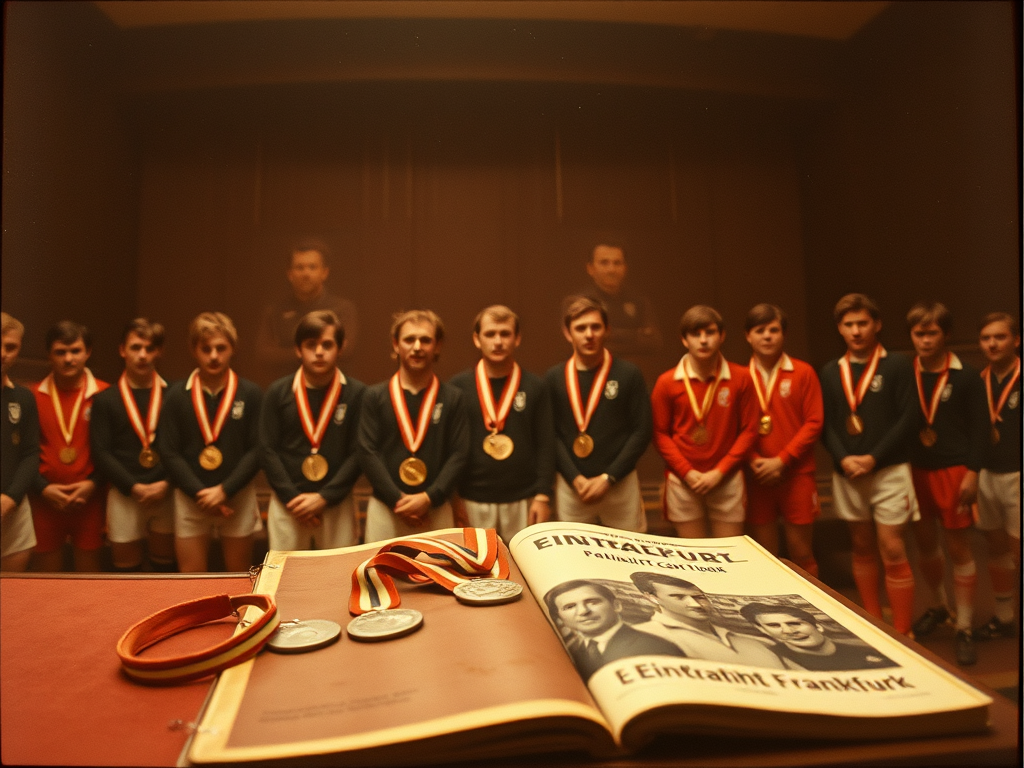
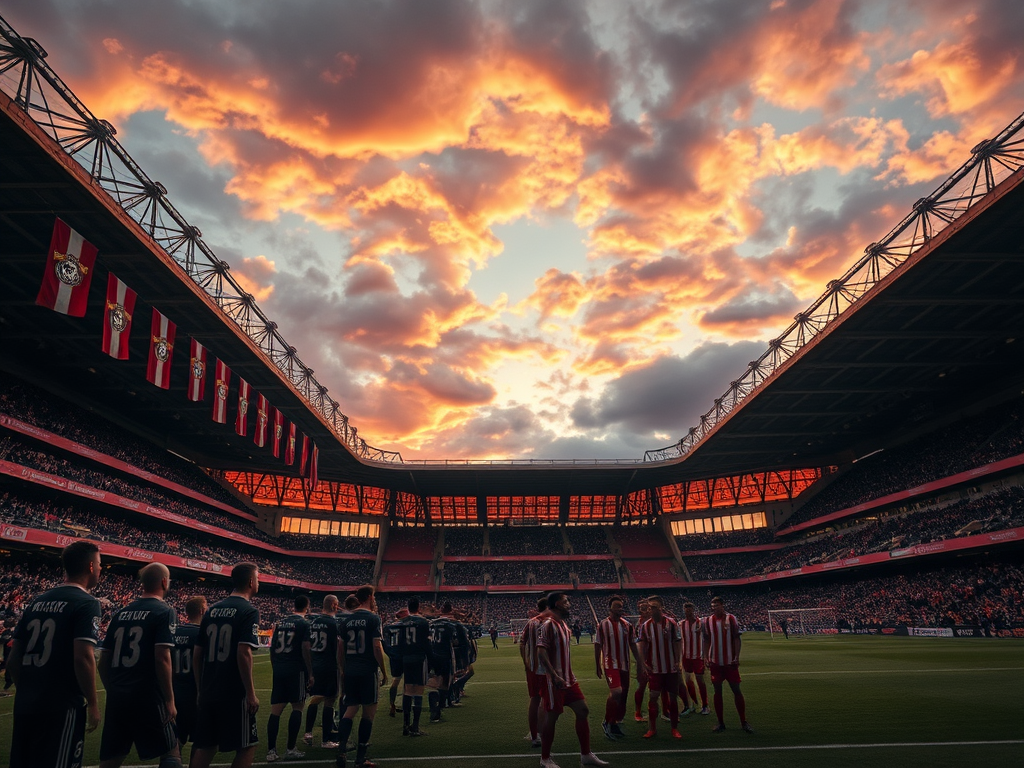
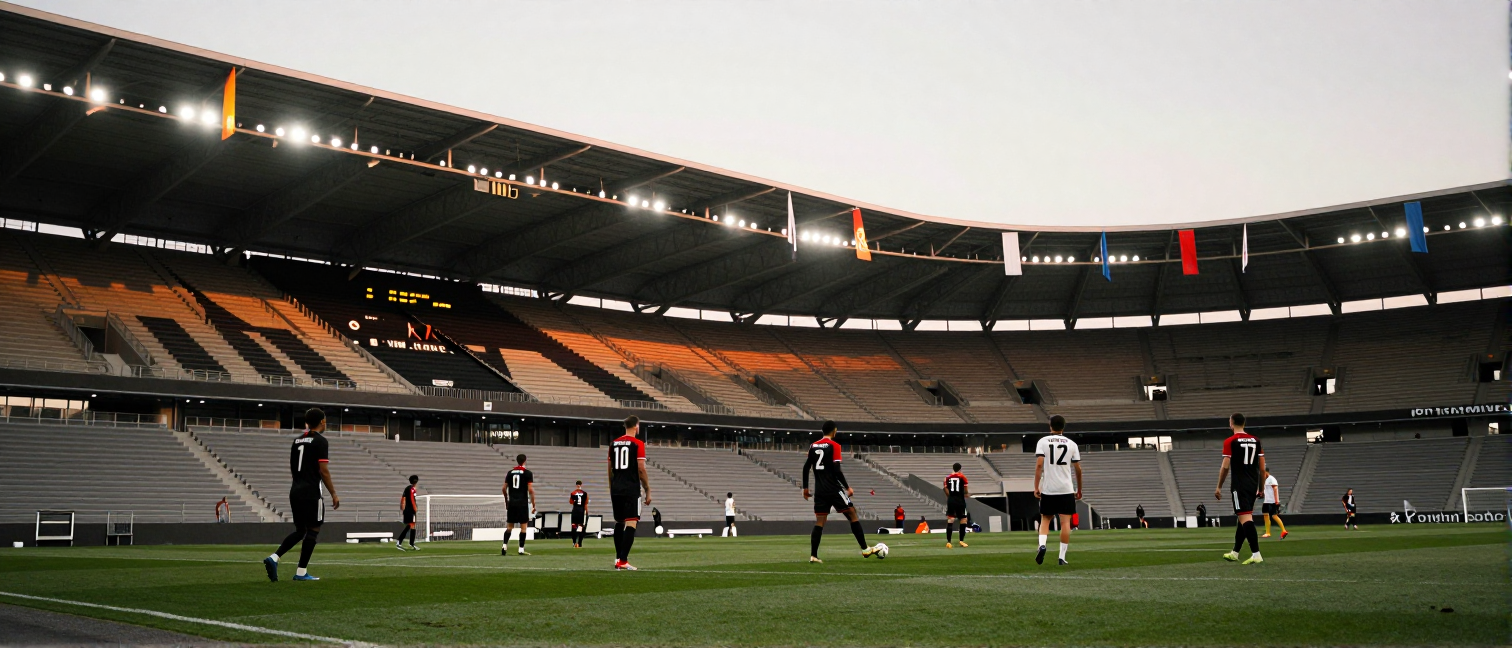
The 1980 UEFA Europa League is more than just a trophy; it is part of the collective memory of Eintracht Frankfurt and their passionate fanbase. On May 21, 1980, the return leg of the final against Scottish club Glasgow Rangers took place at Frankfurt's Waldstadion. After a 2-2 draw in the first leg in Glasgow, the atmosphere in the stadium was electrifying. The fans were firmly convinced that the Eagles had a chance to make history.
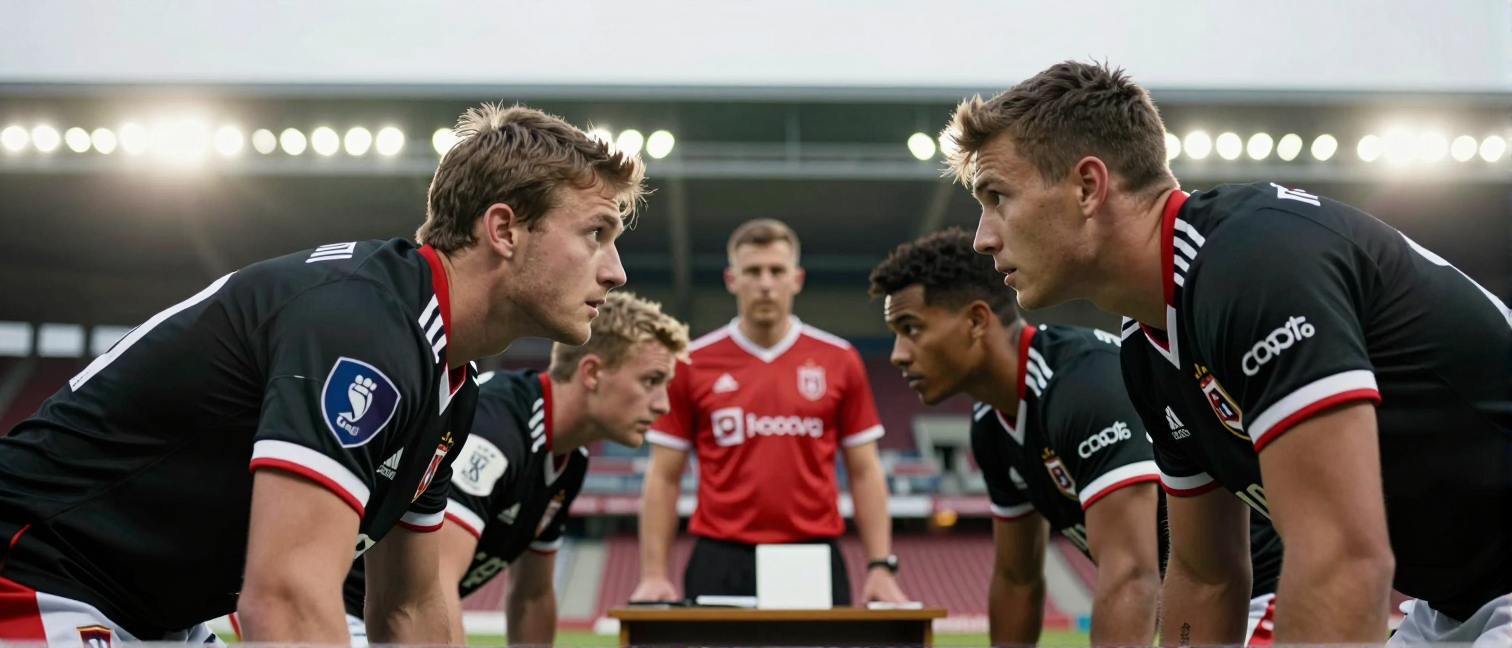
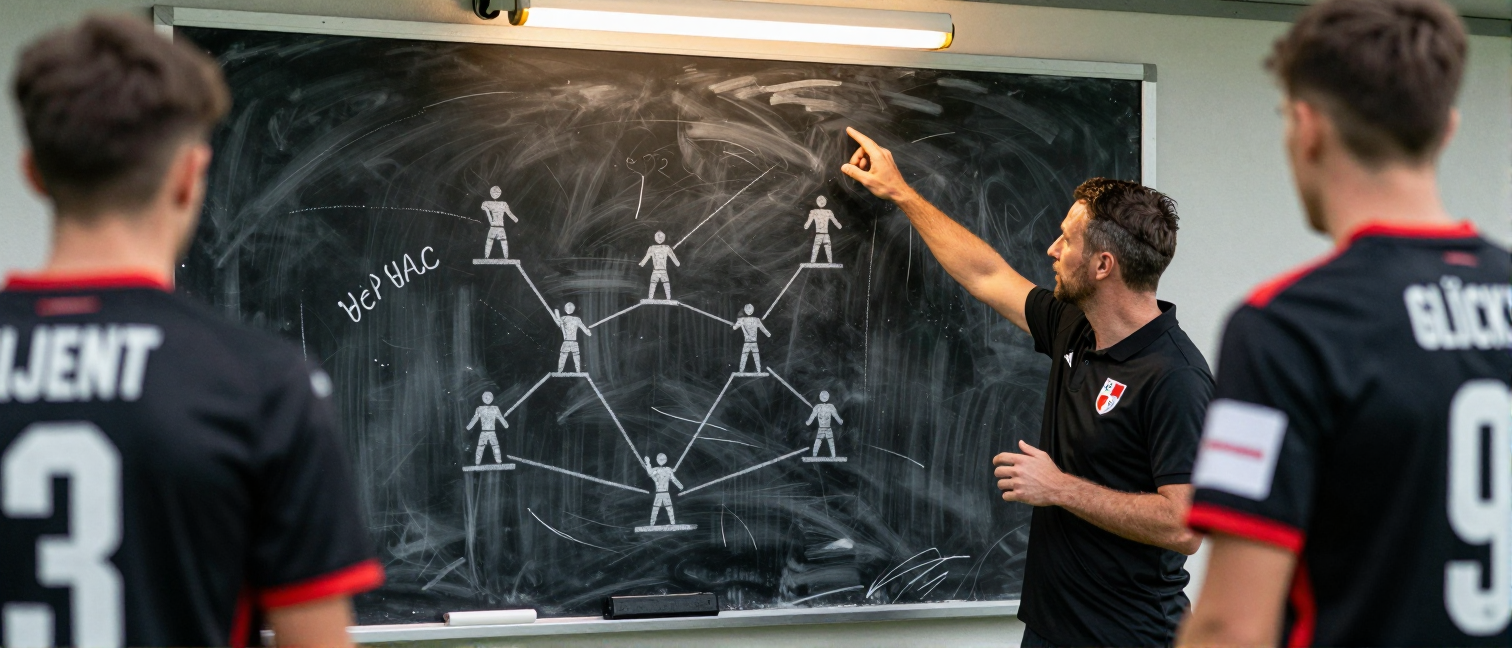
The evening began with nerves on both sides, but Eintracht Frankfurt immediately showed that they could shine not only in their own stadium but also under pressure. The team, led by coach Eugen Kipp, was full of talents like Bernd Hölzenbein and Klaus Amrhein, who would make the difference in crucial moments. In the 27th minute, it was Hölzenbein who opened the scoring with a precise header. The crowd exploded with joy, and the Eagles demonstrated that they were ready to bring the trophy home to Frankfurt.
The Rangers, known for their physical style of play, were visibly impressed by the determination of the Eagles. Despite an equalizer from the Scots, Frankfurt refused to be discouraged. The match was a true battle characterized by passionate effort and unyielding will. In the second half, a further highlight came: Klaus Amrhein seized the ball, dribbled past the defense, and scored the decisive goal that put the Eagles ahead 3-2. The jubilation in the stadium was deafening, and fans knew they were witnessing something extraordinary.
Eintracht Frankfurt held on to their lead until the final whistle, crowning themselves UEFA Cup winners in 1980. This victory was not just a triumph in football but also a confirmation of the club's identity and spirit. The celebrations after the match were unforgettable; the players were received as heroes, and the streets of Frankfurt filled with cheering fans. The trophy was not only a prize but a symbol of unwavering belief in teamwork and solidarity.
In the years that followed, this triumph remained a source of pride for the supporters of Eintracht Frankfurt. The year 1980 became part of the club's DNA, and the victory inspired generations of players and fans alike. The magical night that crowned the Eagles as European Cup winners is an eternal legacy and a testament to the fact that belief in success and the support of loyal fans can move mountains.